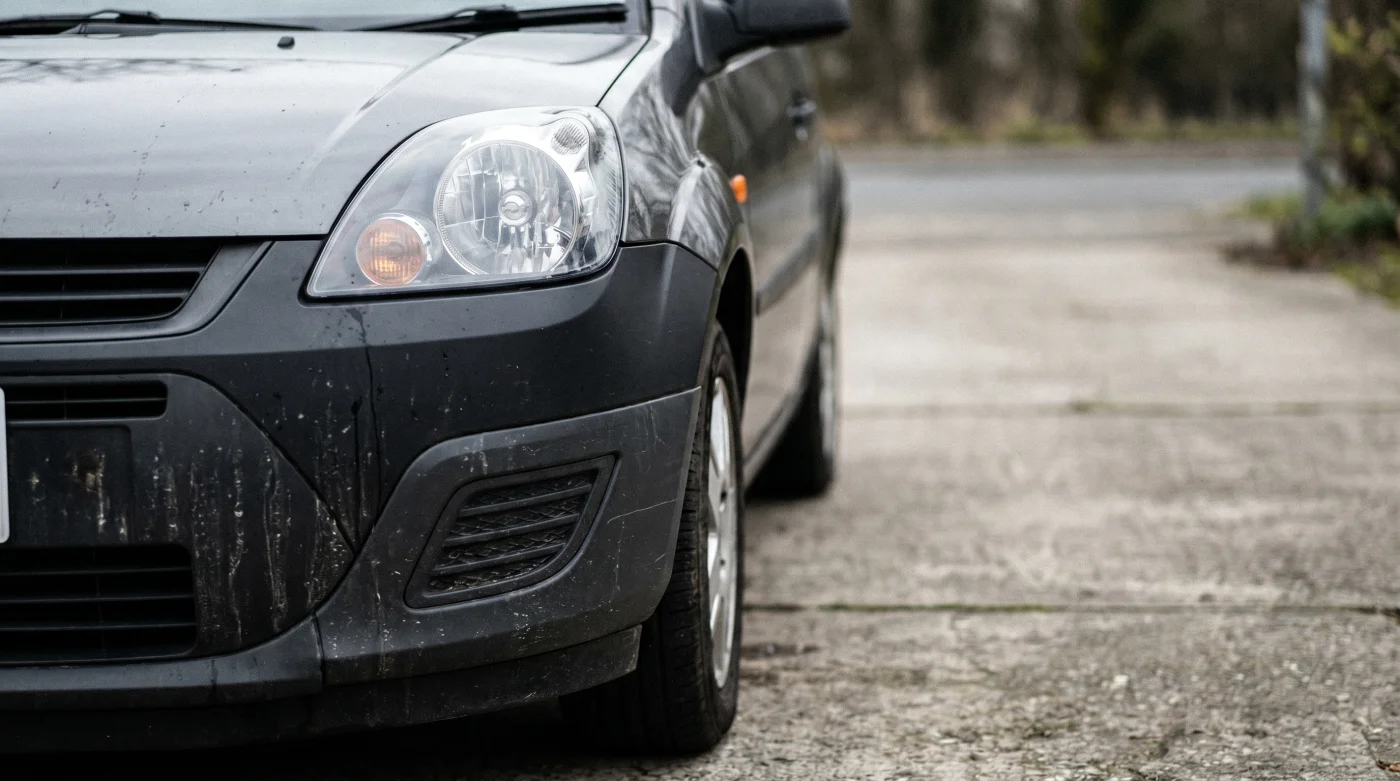
You step onto the damp tarmac of the dealership forecourt, the air smelling faintly of synthetic lemon wax and recent rain. Your eyes naturally drift towards the brightest, shiniest object in the lineup—a fully loaded Ford Puma ST-Line X, glistening with its diamond-cut alloys and a panoramic roof that promises endless summer skies. The salesman hovers, eager to explain the complex matrix LED headlights and the motorised tailgate.
But if you pause for a moment, letting the showroom noise fade, you might notice the quiet sibling sitting slightly out of the spotlight. This is the entry-level Titanium trim, a car that doesn’t demand attention. Yet, beneath its unassuming exterior, it hides one of the sharpest financial secrets in the modern motoring landscape.
We are conditioned to view the base model as a penalty box, a lingering reminder that we couldn’t quite afford the luxury tier. You assume that by skipping the heated steering wheel and the sprawling digital instrument cluster, you are somehow short-changing your daily drive. The glossy brochures rely entirely on this quiet insecurity.
However, the reality of long-term ownership tells a vastly different story. When you strip away the digital fluff, you aren’t removing the soul of the vehicle. Instead, you are eliminating guaranteed failure points, actively protecting your bank balance from the inevitable decay of modern automotive electronics.
The Illusion of the Luxury Badge
Think of modern car trims like the fragile layers of a complicated wedding cake. The base sponge—the chassis, the brilliant 1.0-litre EcoBoost mild-hybrid engine, the nimble suspension—is exactly the same across the range. When you pay an extra four thousand pounds for the top-tier badge, you are only buying the sugary icing. You are paying for screens, sensors, and motorised hinges.
The trap lies in how these additions age. A mechanical analogue dial will outlast the car itself, whereas a 12-inch digital cluster is effectively a tablet baked into a dashboard. When the pixels die or the software glitches just outside your warranty window, a simple MOT pass becomes a four-figure nightmare.
Ask Martin, a 54-year-old independent Ford specialist working out of a bustling, oil-stained garage in West Yorkshire. He spends his weeks diagnosing electrical gremlins in three-year-old crossovers. ‘The ST-Line versions come in constantly with failing power tailgate struts and glitchy parking sensors,’ he notes while wiping his hands on a blue rag. ‘But the people who bought the Titanium? I only ever see them for oil, filters, and brake pads. They bought a car, not an iPad.’
Tailoring the Base Puma to Your Life
Understanding the base model logic allows you to navigate the used or new market with absolute clarity. The entry-level specification isn’t a one-size-fits-all compromise; it adapts beautifully to different demands once you realise less tech means less worry.
For the Urban Commuter: City driving in the UK is a relentless battle against crumbling tarmac and sharp width restrictors. The entry-level Puma rides on modest 17-inch alloy wheels with thick, forgiving tyre sidewalls. While the top-spec 19-inch wheels crash over potholes and scuff instantly on curbs, the base setup breathes over broken roads like a comfortable pair of walking boots.
For the Long-Term Keeper: If your plan is to run this vehicle until the wheels fall off, simplicity is your greatest ally. By avoiding the panoramic roof, you remove the risk of blocked drainage channels flooding your interior. You are investing in mechanical resilience, sidestepping the fragile luxury that depreciates aggressively the moment you drive it away.
For the Frugal Parent: Children are the ultimate durability test for any interior. The standard cloth seats in the base trim are notoriously easy to scrub clean and don’t crack under the pressure of child seats like faux leather. Without complex screens in the rear or fragile electronic toggles, the cabin becomes a stress-free environment.
The Forecourt Survival Toolkit
Making the smartest purchase requires a mindful approach when sitting across from the dealer. You must learn to separate genuine engineering value from dealership upsell tactics. It is entirely about staying grounded in practical reality rather than getting swept up in aesthetic emotion.
Here is your tactical toolkit for securing the best possible base-model Puma without feeling pressured into unnecessary upgrades:
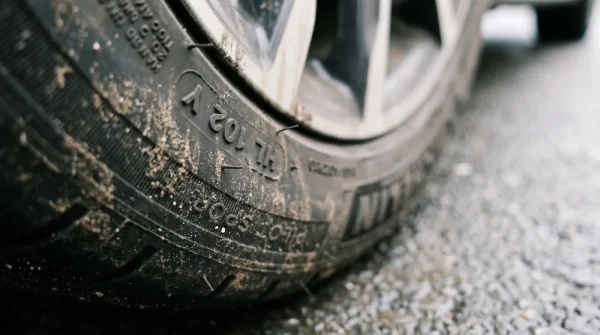
- Inspect the tyre dimensions: Ensure the vehicle is sitting on the standard 17-inch wheels (tyre profile 215/55 R17) for the cheapest replacement costs and best ride quality.
- Check the physical buttons: Verify that the climate control operates via physical dials rather than a touchscreen menu, saving you immense frustration while driving.
- Refuse the tech packs: Decline any additional driver-assistance bundles that rely on delicate radar units mounted low in the front bumper, as these are easily damaged by minor parking knocks.
- Verify the analogue dials: Confirm the instrument binnacle uses traditional needles, ensuring you will never face a blank screen on a cold Monday morning.
True Luxury is the Absence of Worry
There is a distinct, quiet satisfaction in knowing exactly what you are driving. By choosing the cheapest trim, you are not denying yourself comfort. You are simply rejecting the fragile complications that modern marketing tries to force upon you.
Every time you pass a dealership, you will know that the extra thousands of pounds stayed in your bank account. You will drive over frost-heaved roads without wincing, safe in the knowledge that your suspension can handle it and your wheels won’t shatter. The smartest car purchase is never about having the most buttons; it is about finding the exact point where capability meets reliability.
The sharpest buyers don’t pay for features they will use once a year; they buy the mechanical core that works every single day.
| Key Point | Detail | Added Value for the Reader |
|---|---|---|
| Tyre Profile | 17-inch wheels with 55-profile tyres. | Cheaper replacements and a significantly smoother ride over UK potholes. |
| Analogue Dials | Physical speed and rev counters instead of a screen. | Zero risk of expensive screen blackouts or digital pixel death. |
| Manual Tailgate | Gas struts without electronic motors. | Eliminates a common, costly failure point while closing twice as fast. |
Frequently Asked Questions
Will a base trim Ford Puma lose its value faster? Actually, percentage-wise, base models often depreciate slower because the initial purchase price is so much lower, and the used market demands reliable, simple transport.
Does the entry-level model still have Apple CarPlay? Yes, Ford includes the central SYNC touchscreen with smartphone mirroring even on the lowest trims, giving you all the navigation you need without paying for proprietary satellite navigation.
Is the 1.0 EcoBoost engine the same in all trims? Exactly the same. You get the identical mild-hybrid mechanical setup and fuel efficiency whether you buy the base model or the top-tier ST-Line X.
Are cloth seats harder to maintain? High-quality modern cloth is surprisingly durable and less prone to temperature extremes than synthetic leather, making it highly practical for daily use.
Will I miss the parking sensors? The base model still typically includes rear parking sensors as standard safety equipment; you are only missing the fragile 360-degree cameras and automated parking gimmicks.